


In the recent podcast episode released today, Daniel Foch and Nick Hill covers New Capital Gains Tax vs Real Estate Investors.
Key Takeaways:
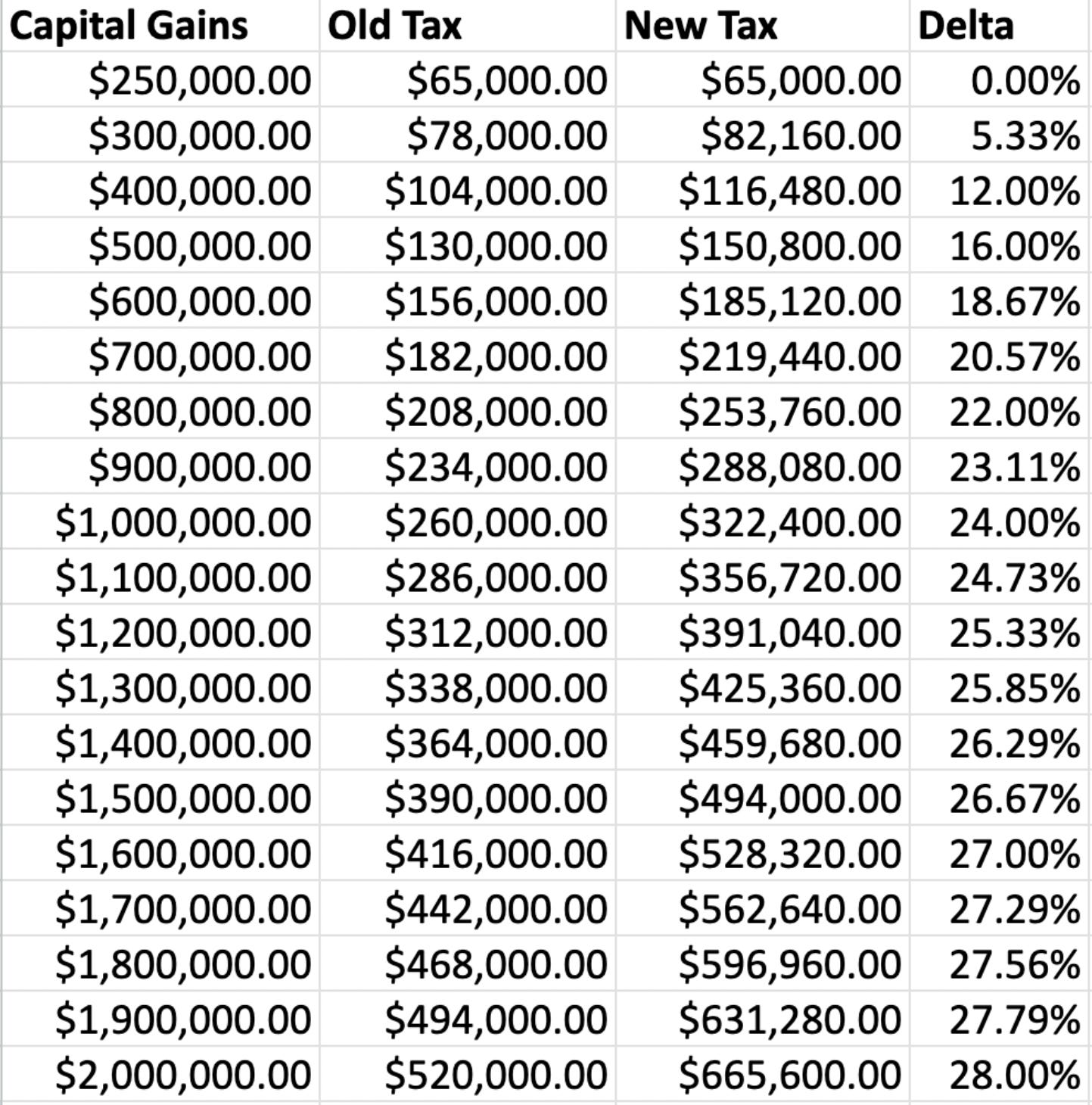
There are significant changes to Canada's capital gains tax laws as the government has decided to increase the inclusion rate on capital gains realized annually above $250,000 by individuals and on all capital gains realized by corporations and trusts from one-half to two-thirds.
The government seeks to increase revenue, targeting what they consider the wealthiest individuals. However, these changes may have unintended consequences, such as discouraging property sales and potentially affecting investment and entrepreneurship.
Canada's recent tax rates increases have further worsened Canada’s competitive position in comparison to the tax rates with those of other industrialized countries. This may affect its attractiveness for skilled workers, investors, and businesses.
Changes in capital gains tax could affect the real estate market including property owners, investors, and the broader housing market. These changes can be property ownership patterns, investment behaviour, and housing supply dynamics.
Capital gains apply to various assets, including stocks, real estate, and other capital properties which causes further implications on the market.
While the government may expect to raise additional revenue through higher tax rates, there is a risk that these measures could lead to unintended consequences. For example, higher taxes may incentivize behavioural changes among taxpayers, such as reducing investment or seeking tax avoidance strategies.
The tax changes may disincentivize property owners and investors from selling their assets. The increased tax burden on capital gains could lead to a reluctance to sell, potentially impacting market liquidity and investment activity.
There are concerns raised by industry groups, experts, and stakeholders regarding the potential impacts of the tax changes.
Listen on Apple Podcasts:
